English for Children: Ways to Develop Language Skills for the Future
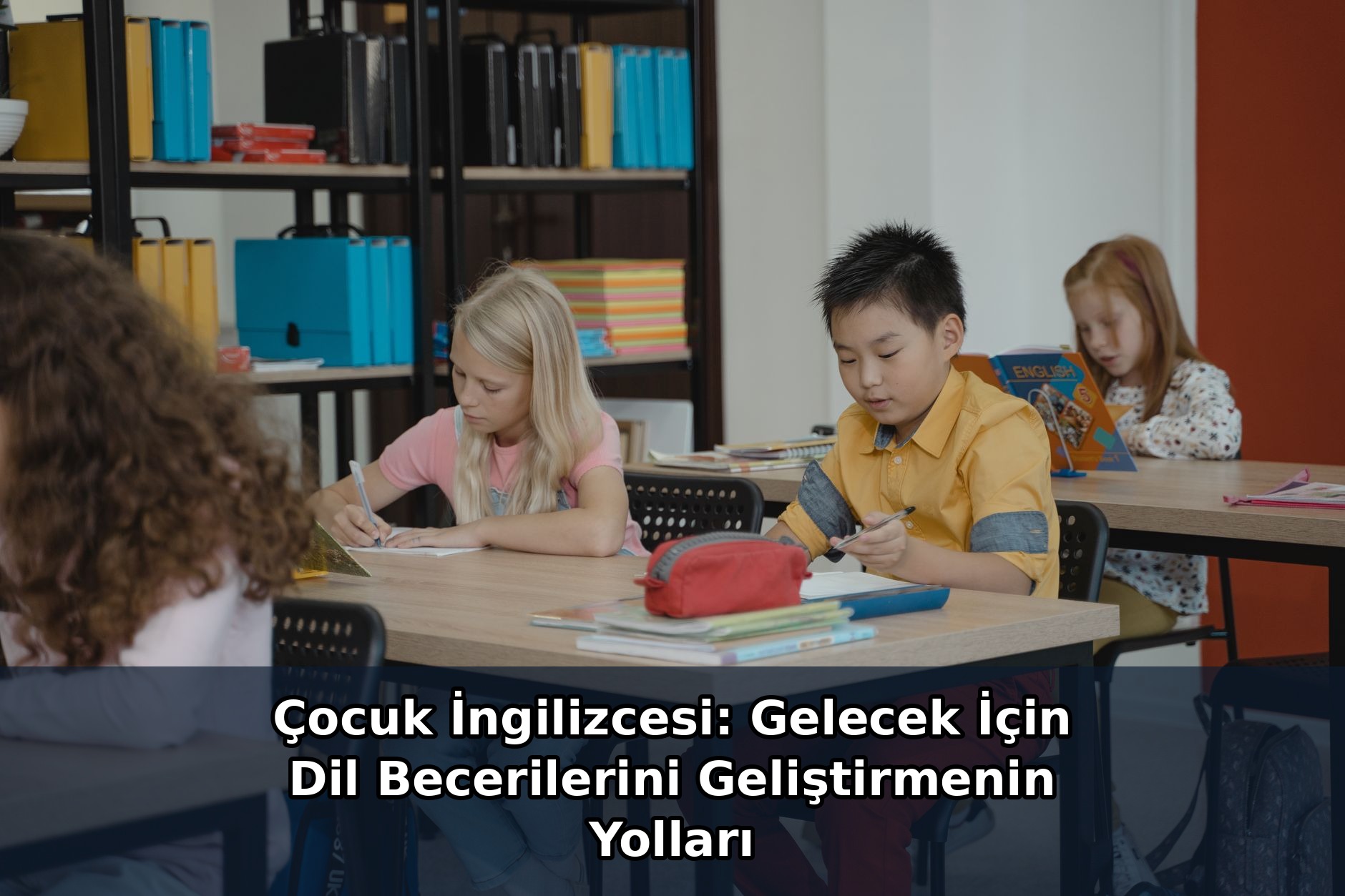
English for Children: Ways to Develop Language Skills for the Future
English for Children: Ways to Develop Language Skills for the Future
This article is an informational guide. For the course itself: Children's English course package →
Children’s English courses enable little ones to develop their language skills at an early age so that they can succeed in their future academic and social lives. Take the right steps in this process with British Institute.
Why Should Children's English Start at an Early Age?
Reach your goal faster with Children's English
View the Children's English course packageStarting children’s English education at an early age allows children to benefit from the period when their language learning ability is at its peak. Scientific research shows that children’s brains acquire new languages much faster and more naturally in the early years. Language education received at an early age follows a natural flow similar to learning the mother tongue and helps achieve lasting success in areas such as pronunciation and accent. At British Institute, we aim to maximise children’s potential by turning their language education into a fun and interactive experience. Education received in this period contributes to children’s cognitive development and encourages them to become more open-minded and tolerant towards different cultures.
How Do Speaking Skills Develop in Primary School English Education?
Developing speaking skills in primary school English education is possible with methods that encourage children to use the language actively. British Institute designs its lessons with an entirely speaking-focused approach. Our expert teachers increase students’ classroom interaction and enable them to speak English in real-life scenarios. Activities such as songs, games, drama and storytelling allow children to express themselves without hesitation. Our primary school English course package offers an environment where children can practise constantly, with an 8-month group course. This way, children not only learn grammar rules but also gain the ability to speak English fluently and confidently. Speaking is one of the most important elements of a language and lies at the heart of British Institute’s approach to education.
What Are the Differences Between Online and Face-to-Face Children’s English Courses?
Although both online and face-to-face children’s English courses are effective, they offer different advantages. Face-to-face courses encourage direct interaction with the teacher and peers in a physical classroom. This is especially beneficial for supporting social development and receiving instant feedback. British Institute's face-to-face courses provide a dynamic environment where children can burn off energy and interact with tactile materials. Online courses, on the other hand, stand out for their flexibility and accessibility. Children can join live lessons with expert teachers from the comfort of their own homes and learn English without restrictions of time and place. In both options, British Institute offers a high standard of education and a speaking-focused curriculum. By choosing the option that best suits their child’s learning style and their family’s routine, parents can start children’s English courses with the institutional trust and expert teaching staff of British Institute.
What Are Families’ Responsibilities in Children’s English Learning Process?
The active involvement and support of families is critically important in children’s English learning process. Families should present learning English to their children as a fun and encouraging experience. Activities such as listening to English songs at home, watching English cartoons, speaking with simple English words or reading English storybooks help children naturally incorporate the language into their daily lives. Parental involvement is also valued in British Institute courses; families can follow their children’s progress and support them at home. Being patient about children’s mistakes and encouraging them boosts their self-confidence and helps them develop a positive attitude towards learning. British Institute's expert teachers guide families through this process, helping their children make the most of their potential.
Which English Materials Should Be Used for Primary School Children?
English materials for primary school children should be chosen to suit their ages and interests. Visually rich, colourful and interactive materials are very effective in capturing children’s attention and making learning fun. Picture dictionaries, storybooks, interactive games and educational apps are ideal for this age group. Songs and rhymes also help children develop their vocabulary and reinforce their pronunciation. By using the most up-to-date and pedagogically appropriate materials in its lessons, British Institute ensures that children are supported both visually and aurally. These materials are an important support on children’s language learning journey and make understanding easier by making abstract concepts concrete. By obtaining the materials recommended by British Institute, parents can make sure their children are immersed in English at home too.
Frequently Asked Questions
What is the English word for "çocuk" (child)?
The English for "çocuk" is the word "child". This word is used to refer to a single child.
What is the English for "çocuklar" (children)?
The English for "çocuklar" is the word "children". It is a plural noun referring to more than one child.
What is "çocuk" (child) called in English?
In English, "child" (singular) or "kid" (more informal singular) can be used for "çocuk". The plural is "children" or "kids".
How do you write "erkek çocuk" (boy) in English?
"Erkek çocuk" is written "boy" in English. The plural is "boys".
Would you like to start right away?
View the Children's English course package