Children's English: Equip the Leaders of the Future with English
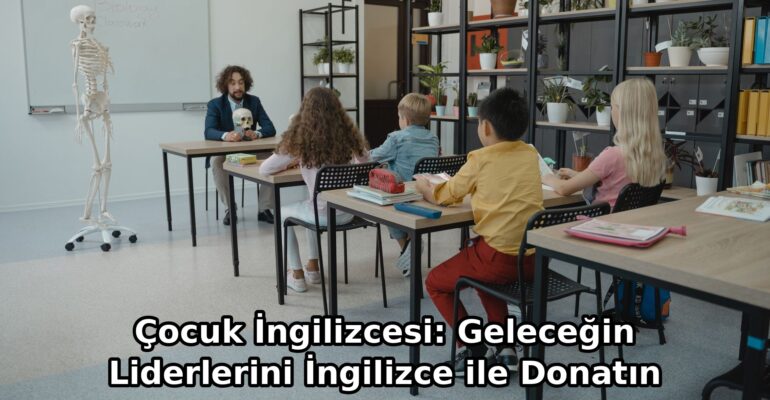
Children's English: Equip the Leaders of the Future with English
Children's English: Equip the Leaders of the Future with English
While children’s English education reveals the benefits of learning a language at an early age, at British Institute we offer your children a solid language foundation. These courses are critically important for their success in their future academic and social lives.
In today’s world, English is more than just a language; it is the key to children becoming global citizens. At British Institute, we offer modern and effective teaching methods to maximise children’s language learning potential. With our expert teachers, we help your children learn English, love it and make it part of their lives. With both face-to-face classroom and live online options, we offer an environment suited to every child’s learning style.
Children’s language learning processes are different from those of adults. An environment supported by games, songs, stories and interactive activities enables children to acquire the language naturally. British Institute’s Primary School English Course Package is designed in line with exactly these principles. We offer an ideal starting point for your child’s first encounter with English or for consolidating their existing knowledge. Our aim is not only to teach vocabulary and grammar but also to develop children’s English speaking skills. Speaking is one of the most important elements of language education, and our teachers use special techniques to develop this skill.
The British Institute Difference in Primary School English Education
At British Institute, we offer programmes suited to children’s ages and developmental characteristics in primary school English education. Our teachers are experienced professionals specialising in child psychology and pedagogy. Our institutional reliability and our position as the first choice in the sector are among the main reasons why parents choose British Institute when selecting the best education for their children. Our programmes contribute to children’s academic success while also aiming to boost their self-confidence and help them become individuals open to new cultures.
In our courses, we adopt a methodology that encourages children’s active participation. Through classroom interaction, group work and project-based learning approaches, children begin to see English not just as a school subject but as a means of communication. This way, the language learning process becomes a fun adventure full of discovery for them. Thanks to our live online courses, we give children from every part of Türkiye access to this high-quality education, without geographical limitations.
British Institute emphasises the importance of speaking skills in language education. With speaking practice, pronunciation exercises and dialogue work developed especially for children, we develop their ability to use English fluently. In exam courses, we aim to maximise children’s exam success with a score guarantee, strategic approaches and precisely targeted question patterns. This enables children to succeed both in daily life and in their academic exams.
The Most Effective Ways to Teach Children English
When teaching children English, using the right methods is critically important. At British Institute, we adopt approaches that support children’s natural learning processes and motivate them. Here are some effective methods that make it easier for children to learn English:
- Game-Based Learning: Games allow children to learn English without realising it. Grammar and vocabulary are developed through activities such as word games, memory cards and role-play games.
- Storytelling and Books: English children’s books, stories and fairy tales develop children’s listening and comprehension skills. Picture books make learning easier by associating words with images.
- Songs and Rhymes: Rhythm and melody help children remember new words and pronunciations. English children’s songs and rhymes make language learning fun.
- Visual Materials: Visual materials such as colourful posters, flashcards and cartoons capture children’s attention and support learning.
- Communicative Approach: Encouraging children to speak English in and out of class develops their speaking skills. Asking and answering questions and building dialogues are important.
- Integration into Daily Routines: Including English in daily routines, for example saying the names of toys in English or using English words at mealtimes, helps the language become a natural part of life.
- Positive Reinforcement: Every success a child achieves, even the smallest step, should be recognised and supported with positive feedback. This boosts their self-confidence and encourages them to keep learning.
By bringing all these methods together, British Institute offers a rich and comprehensive learning experience for your children. Our expert teachers ensure maximum efficiency by adapting lessons to each child’s individual needs and pace of learning. Supported by modern, contemporary and rich materials, our courses keep children’s interest in English constantly alive.
The Advantages of Live Online Children’s English Courses
With the development of technology, online education has opened new doors for children in language learning. The live online children’s English courses we offer at British Institute provide many advantages for parents and children:
- Flexibility: Online lessons allow children to learn English from the comfort of their own homes without needing to travel. Lesson times can more easily fit in with families’ schedules.
- Wide Access: Regardless of geographical location, children from all over Türkiye can access British Institute’s high-quality education. This way, children living in rural areas also get the opportunity to work with expert teachers.
- Personalised Learning: Online platforms make it possible to personalise lessons according to children’s pace of learning and level. One-to-one lessons or courses in small groups provide more individual attention.
- Technology-Enhanced Learning: Technological tools such as interactive whiteboards, digital games, videos and audio materials make lessons more engaging and effective. Children enjoy a learning experience closely integrated with technology.
- Parental Involvement: Online courses make it easier for parents to follow their children’s lessons more closely and observe their progress. This allows parents to take a more active part in the learning process.
- A Safe and Comfortable Environment: Children enjoy the comfort of taking lessons in the safe and familiar environment of their own homes. This helps them focus on the lesson and feel more relaxed.
British Institute maintains the quality of its face-to-face education in its live online courses too. Our expert teachers offer interactive and fun lessons aimed at developing children’s speaking skills in the online environment as well. The platforms used in our online courses are safe and user-friendly, designed to provide an uninterrupted learning experience. This way, children learn English with a modern and futuristic approach.
Frequently Asked Questions
What is the English word for "çocuk" (child)?
The English for “çocuk” is the word “child”. If you are talking about more than one child, the plural “children” is used.
What is "çocuk" (child) in English?
The English for the word “çocuk” is “child”. For example, the sentence “Benim bir çocuğum var” is translated into English as “I have a child”.
How do you write "erkek çocuk" (boy) in English?
“Erkek çocuk” is written as “boy” in English. If it is to be used in the plural, as “erkek çocukları”, you say “boys”.
How do you write "kız çocuk" (girl) in English?
“Kız çocuk” is written as “girl” in English. Its plural form is “girls”.